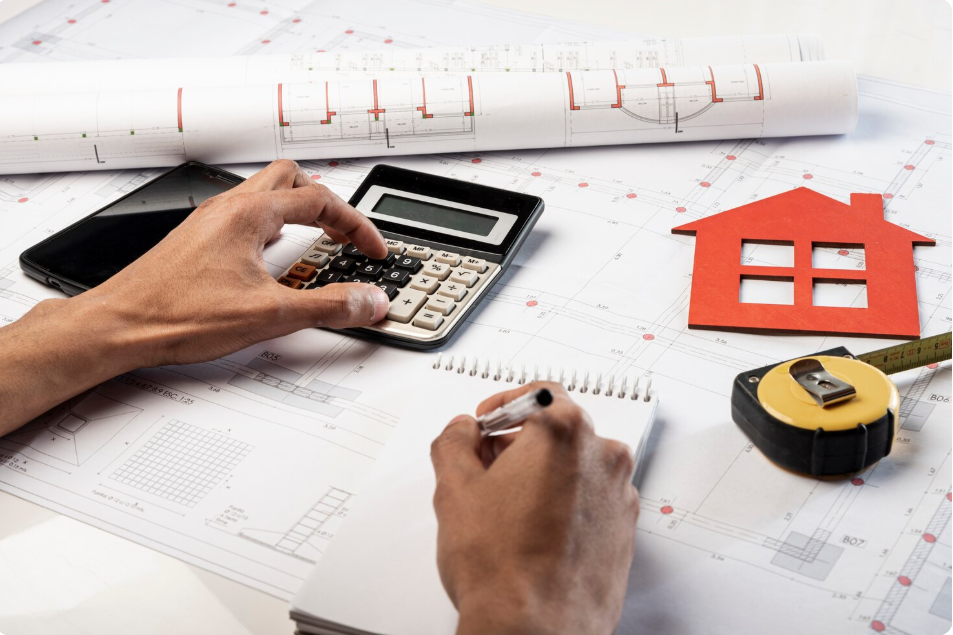
Introduction to Property Valuation
Property valuation is a critical process in real estate, determining the market value of residential, commercial, and industrial properties. Accurate valuation is essential for buyers, sellers, investors, and lenders to make informed decisions. Understanding the key methods and factors in property valuation helps ensure fair pricing, optimize investment returns, and facilitate smooth transactions in the real estate market.
Importance of Property Valuation
Property valuation provides an objective assessment of a property’s worth. It is used for buying, selling, financing, taxation, insurance, and investment analysis. Accurate valuation protects buyers from overpaying, helps sellers set competitive prices, and enables investors to assess potential returns. Lenders rely on valuations to determine loan eligibility and mitigate financial risk.
Methods of Property Valuation
Several methods are commonly used to determine property value, each suitable for different types of properties and market conditions.
Comparative Market Analysis (CMA)
Comparative Market Analysis involves evaluating similar properties in the same location that have recently sold or are currently listed. CMA considers size, condition, location, and features to estimate a realistic market value. This method is widely used in residential real estate due to its simplicity and effectiveness.
Income Capitalization Approach
The income capitalization approach is used primarily for rental and commercial properties. It calculates value based on the property’s income generating potential, considering rental income, operating expenses, and capitalization rates. This method helps investors evaluate the profitability and return on investment of income producing properties.
Cost Approach
The cost approach estimates property value by calculating the cost of reconstructing the property from scratch, minus depreciation. It considers land value, construction costs, and current condition. This method is useful for new constructions and special purpose properties where comparable sales are limited.
Factors Affecting Property Valuation
Several key factors influence the valuation of a property, impacting both market perception and actual worth.
Location and Neighborhood
Location is one of the most important determinants of property value. Proximity to schools, workplaces, transportation, shopping centers, and recreational areas enhances desirability. Neighborhood safety, development potential, and future infrastructure projects also influence valuation significantly.
Property Size and Layout
The total area, number of rooms, and functional layout of a property affect its value. Larger properties with efficient designs typically command higher prices. Functional spaces that meet modern lifestyle needs, such as home offices or multi purpose rooms, add additional value.
Condition and Age of the Property
Well maintained properties in good condition are valued higher than those requiring repairs or renovations. Age, structural integrity, and quality of construction materials also play a crucial role in determining market value. Regular maintenance enhances longevity and ensures higher valuation.
Amenities and Facilities
Amenities such as parking, security systems, gyms, swimming pools, and landscaped gardens add value to residential and commercial properties. Properties in developments with shared facilities or community services often achieve higher market prices.
Economic and Market Conditions
Macro economic factors like interest rates, inflation, employment levels, and local market supply and demand affect property valuation. A strong economy with high demand typically raises property prices, while economic downturns can lower values and slow transactions.
Legal and Regulatory Factors
Clear property titles, zoning regulations, building approvals, and compliance with local laws influence valuation. Properties with legal disputes or regulatory issues may face reduced market value. Ensuring proper documentation and adherence to regulations is crucial for accurate valuation.
Technological Tools in Property Valuation
Technology enhances accuracy and efficiency in property valuation. Online platforms, AI driven analytics, and geographic information systems provide detailed market data and comparative insights. Digital tools streamline the valuation process, reduce human error, and offer real time property assessments.
Conclusion and Strategic Insights
Property valuation is an essential aspect of real estate that combines methodical analysis with market understanding. Key methods include comparative market analysis, income capitalization, and cost approach, while factors like location, size, condition, amenities, economic trends, and legal compliance influence value. Utilizing technology and following standardized valuation practices ensures accurate pricing, informed decision making, and maximized returns in the real estate market.